Heritage Revival
Documenting, protecting, and reviving historical sites associated with the Jagannatha culture of Odisha.
 Before Revival
 After Revival
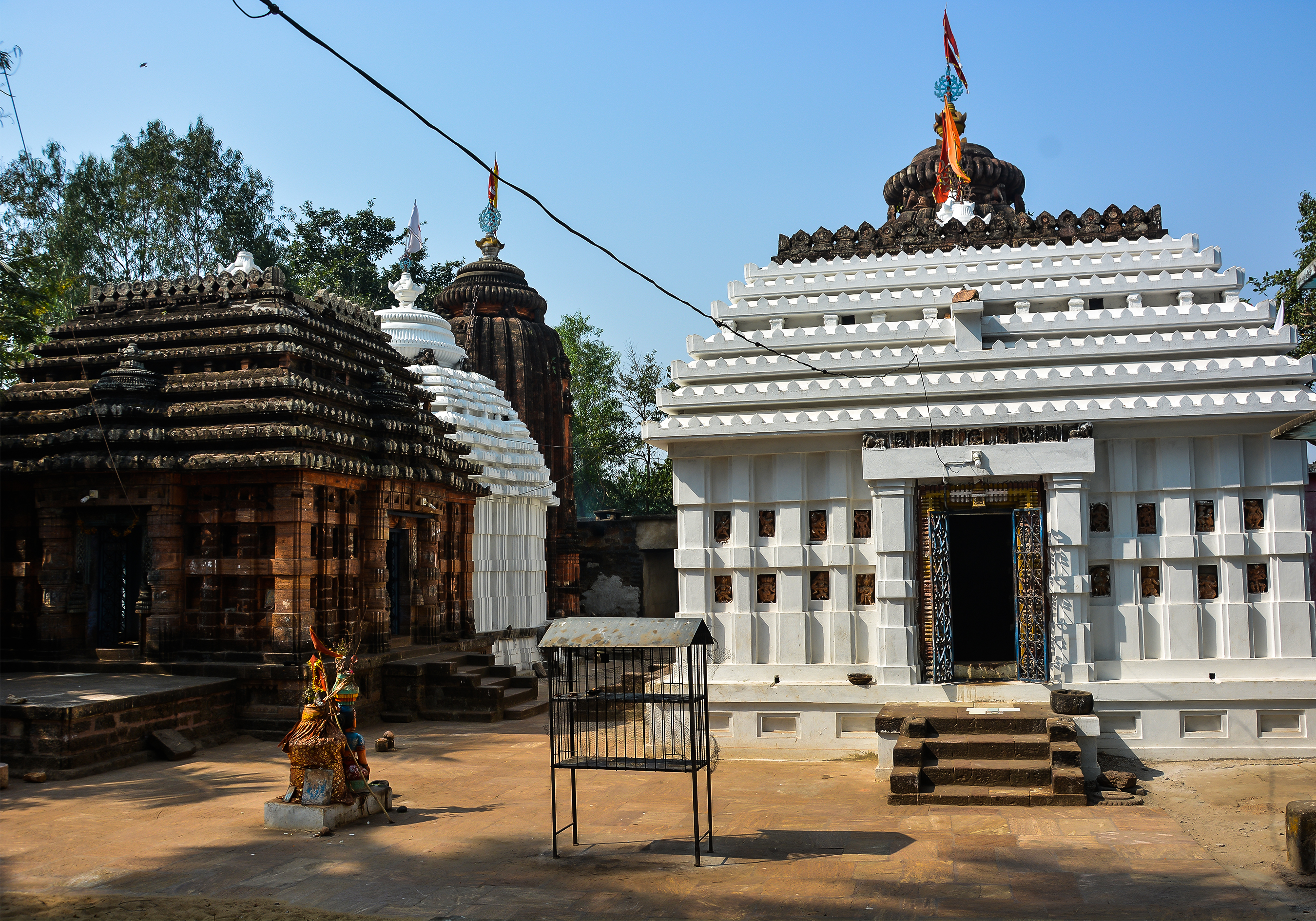
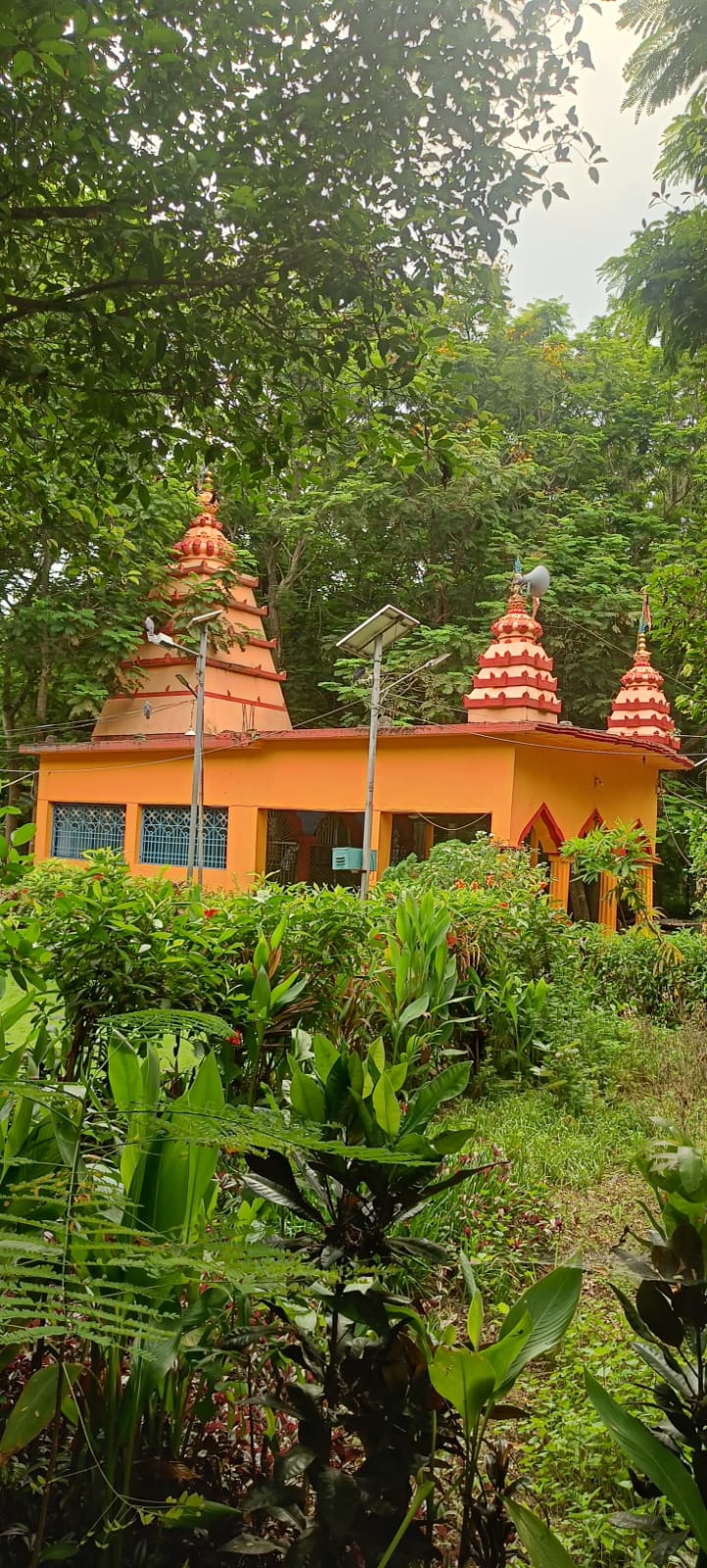
Harihareshwar Temple: Reviving a Forgotten Refuge
Physical Revival of the Heritage Site
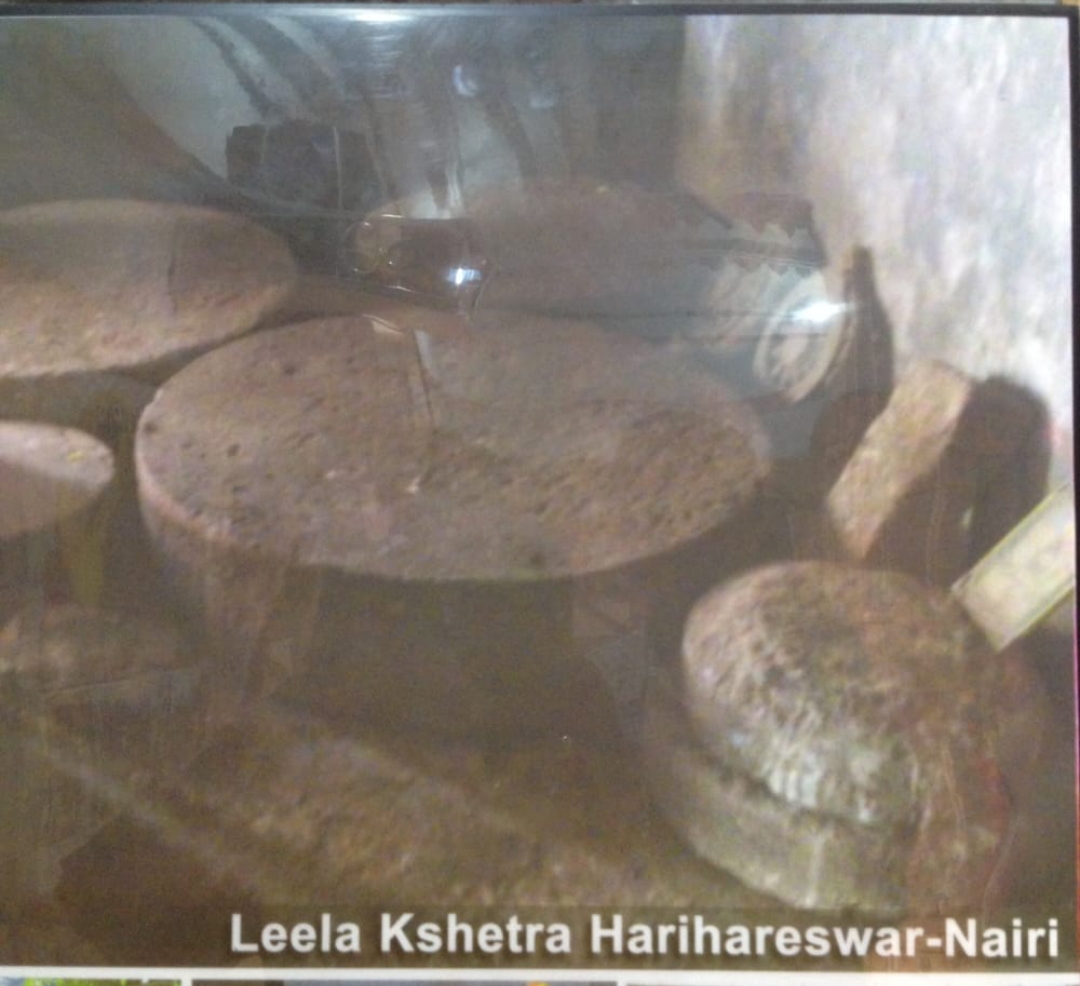
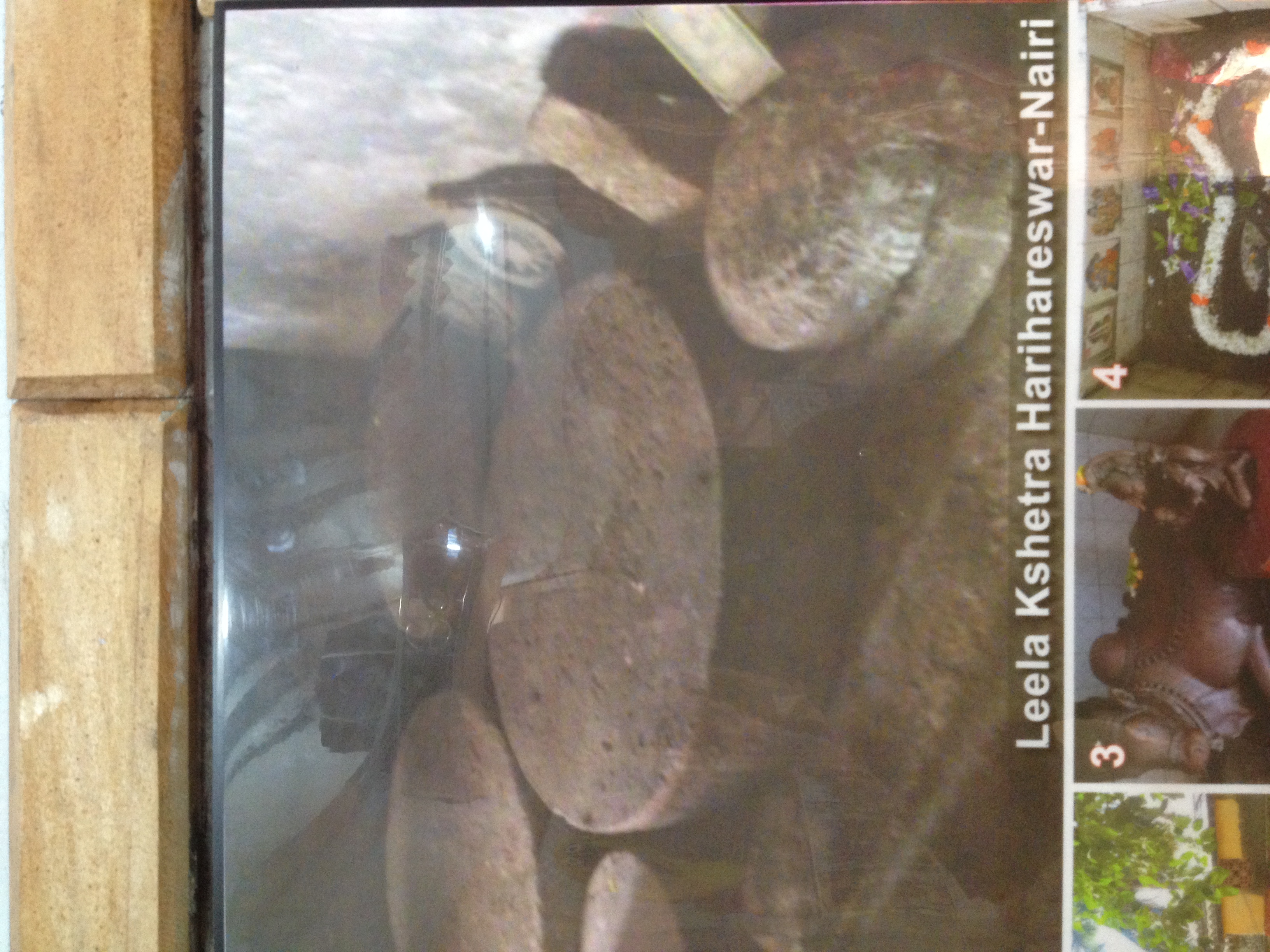
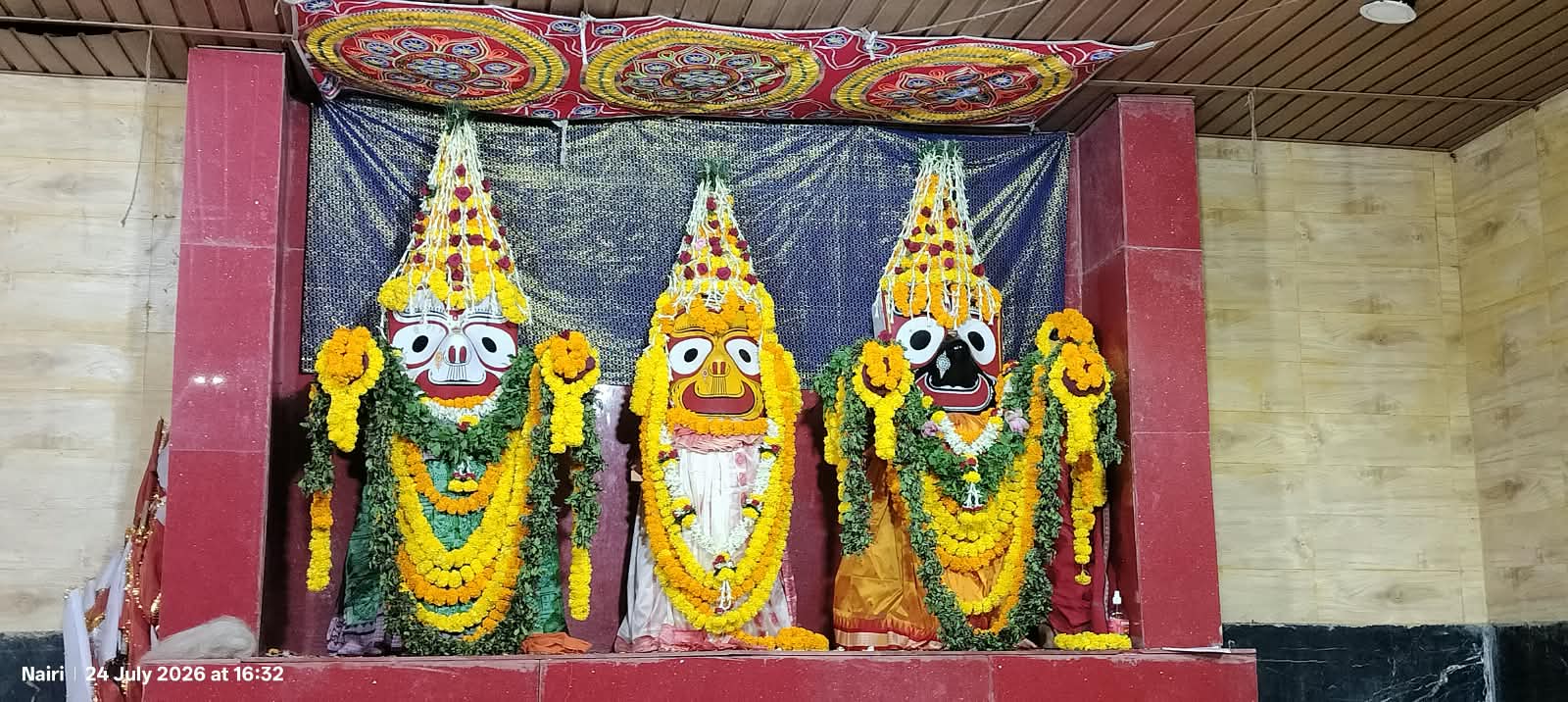
A major milestone in the revival of the Harihareshwar Temple at Nairi was achieved on 9 February 2015, when Dr. Susant Kumar Sahoo initiated the revival and renovation of the stone throne/platform traditionally associated with the placement of the sacred deities during their movement from Srimandir in times of external attack.
The surrounding area was subsequently renovated and developed to bring attention to the historically significant locations associated with the movement and temporary shelter of the deities. Information and displays identifying these places were introduced, helping visitors and local communities understand the site's connection with the wider history of Lord Jagannatha's sacred journeys and refuge in the Chilika region.
The initiative transformed a largely forgotten physical site into a place of heritage awareness, cultural remembrance, and community engagement, providing a tangible link between historical research and the living Jagannatha tradition.
Harihareshwar Compound Works
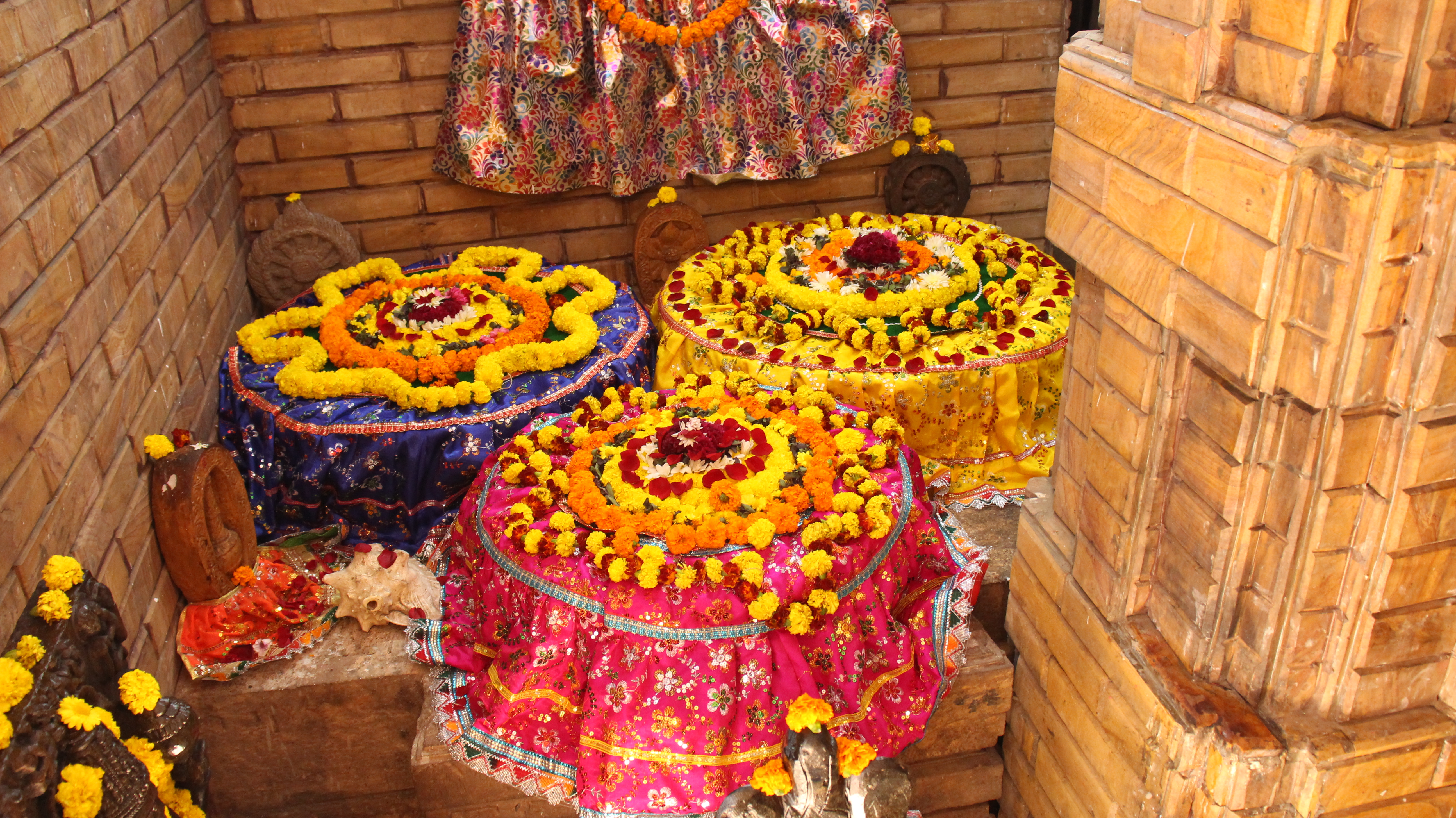 Temple compound development
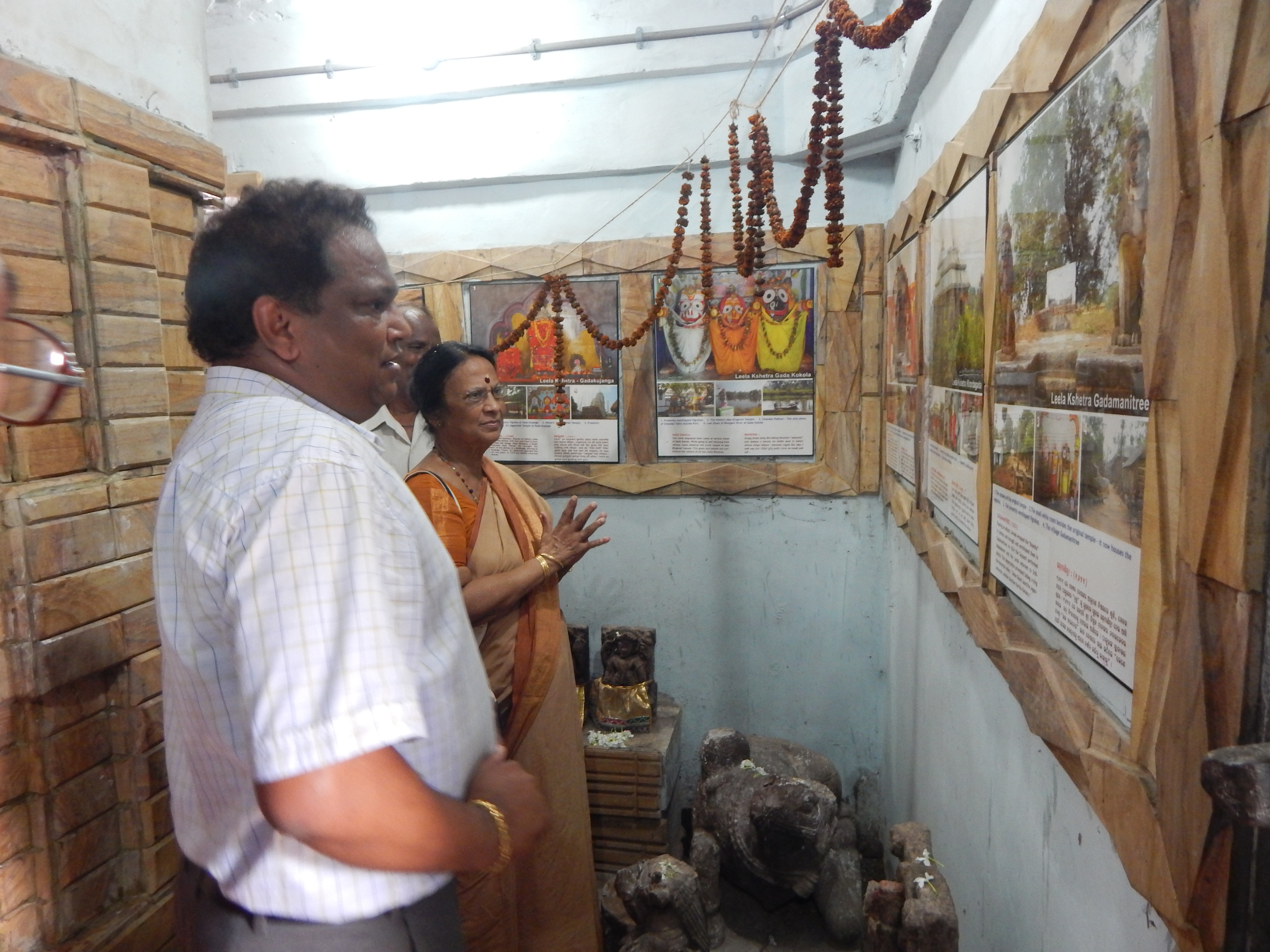 Masonry & perimeter boundary
Revival Milestones
2016 → Documentary recognition / official communication from Sri Jagannatha Temple Administration / Managing Committee
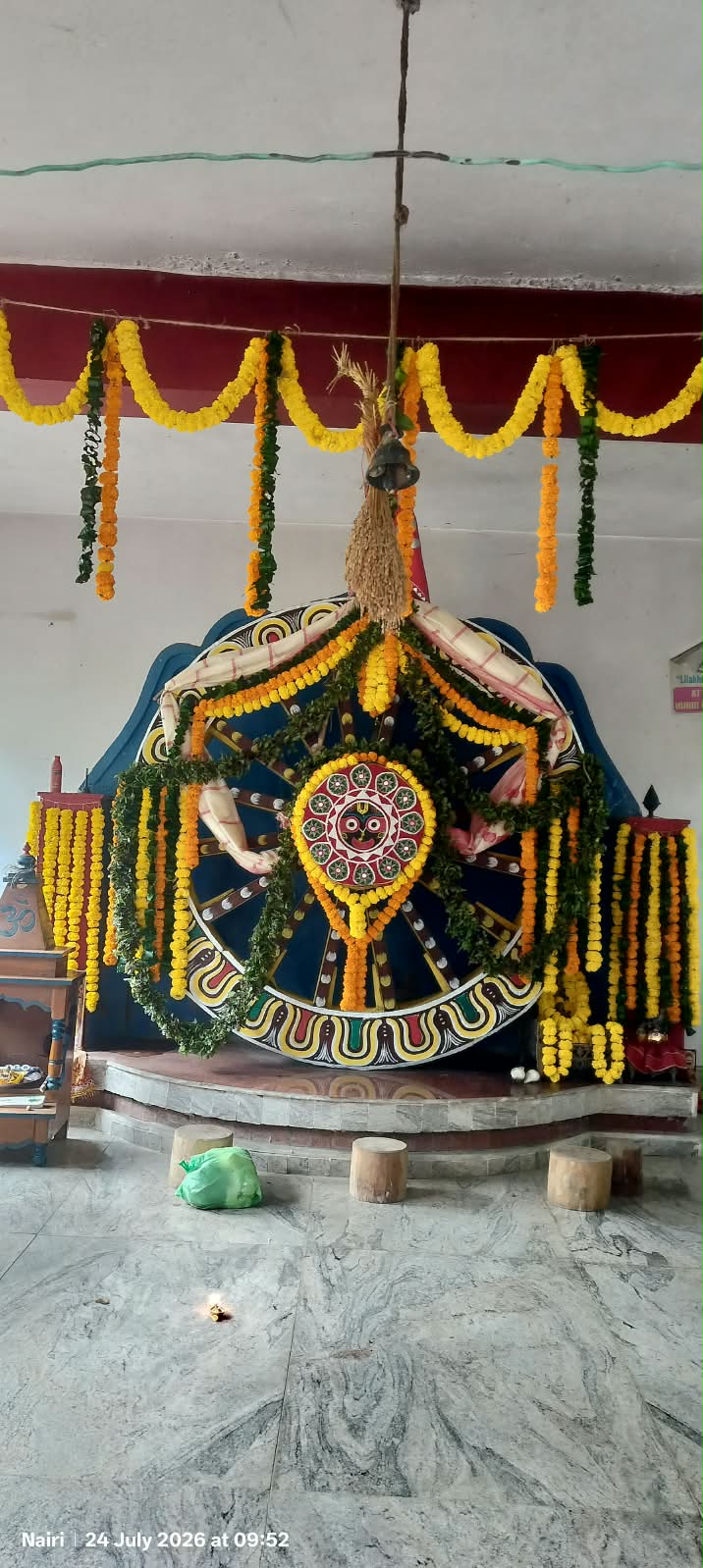
6 March 2016 → Nandighosh Chariot Wheel installed at Kankanashikhari
2015–2026 → Sustained heritage awareness, cultural activities and community engagement
Kankanashikhari: A Heritage Landscape Revived
Kankanashikhari, a tranquil island located within the expansive waters of Chilika Lake, stands at the absolute center of Dr. Susant Kumar Sahoo's heritage journey. Historically, during the 18th century when the Sri Mandira in Puri faced external threats and attacks, the sacred deities of Lord Jagannatha were secretly transported across waters and protected in this remote island refuge to safeguard them from desecration.
Over centuries of isolation, the historical site fell into deep obscurity and decay. Dr. Sahoo initiated a multi-year project combining archival investigation, physical site excavation, pathway clearing, stone reconstruction, and the revival of annual festivals like the Jala Ratha Yatra.
The Documented Evolution
2015 — Field-level revival begins
2016 — Nandighosh Chariot Wheel sanctioned by Sri Jagannatha Temple Managing Committee
6 March 2016 — Nandighosh Chariot Wheel installed at Kankanashikhari
2017 onward — Jala Ratha Yatra and continuing living cultural revival
Institutional Recognition: Nandighosh Chariot Wheel to Kankanashikhari
The revival work undertaken at Harihareshwar Temple, Nairi subsequently received significant institutional recognition from the Sri Jagannatha Temple Managing Committee, Puri, under the chairmanship of Gajapati Maharaja Sri Dibyasingha Dev. The Committee sanctioned a wheel of the Nandighosh Chariot for installation at Kankanashikhari for worship and preservation as a tangible symbol of the continuing Jagannatha tradition associated with the heritage site. The official communication authorizing the installation was issued in the name of Dr. Susant Kumar Sahoo, entrusting him with the necessary responsibilities connected with the initiative.
The Nandighosh Chariot Wheel was installed at Kankanashikhari on 6 March 2016. The installation marked an important transition in the heritage journey—from the research and physical revival of a forgotten sacred landscape to institutional acknowledgement and renewed public worship. For Dr. Sahoo, this milestone represents the convergence of historical research, field-level heritage revival, institutional recognition and the living Jagannatha tradition.
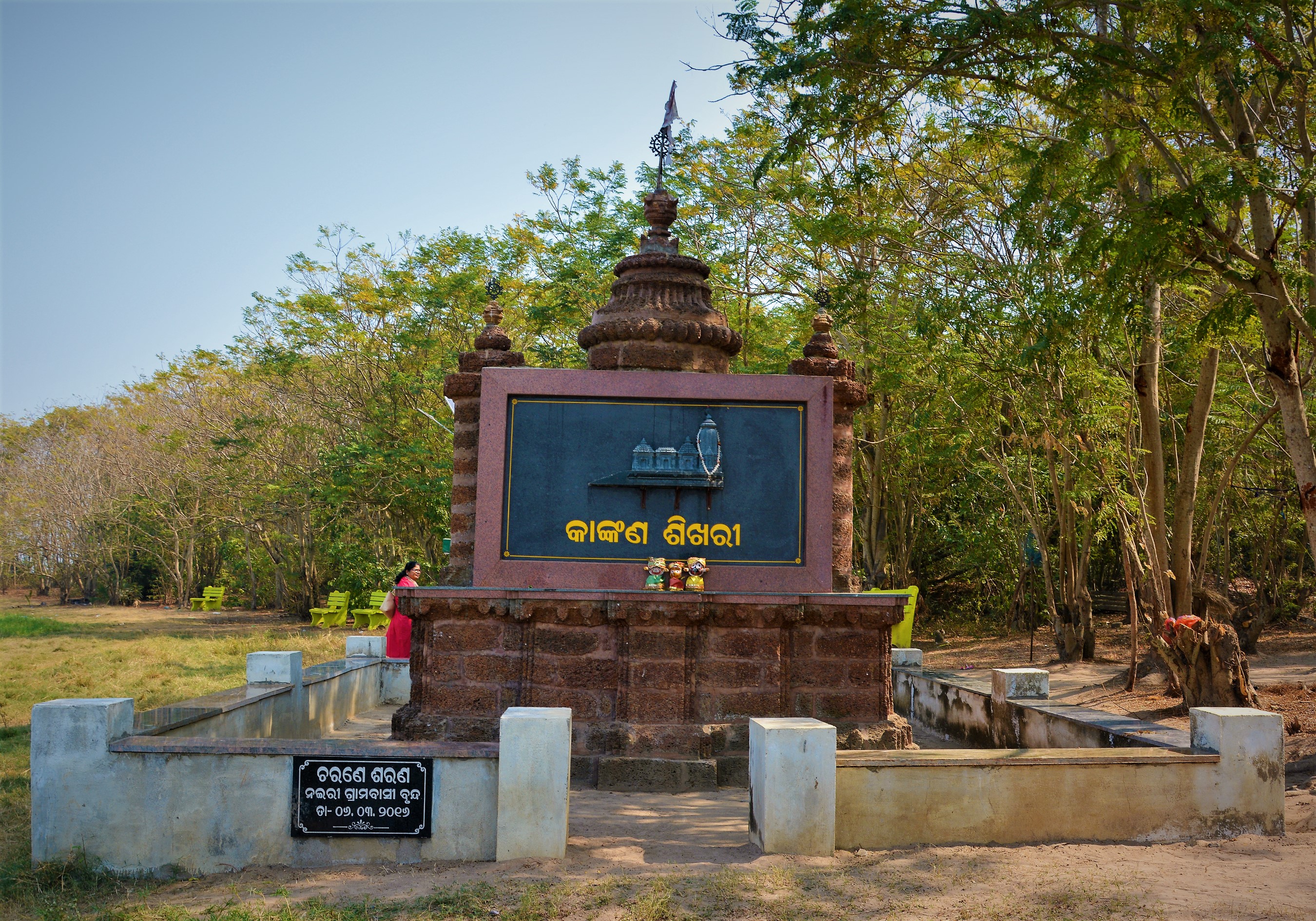
The Sacred Nandighosha Ratha Wheel (Chaka)
Sanctioned by the Sri Jagannatha Temple Managing Committee (Puri) pursuant to the 2016 resolution and installed at Kankanashikhari on 6 March 2016 for worship and preservation.
The Transformation: Before • Revival • Present
Documentary photographic records showing the heritage island from initial ruins to its revitalized state.
Historical Heritage Site in Obscurity
Old jetty ruins, overgrown pathways, and collapsed stone shrines documented during early research.
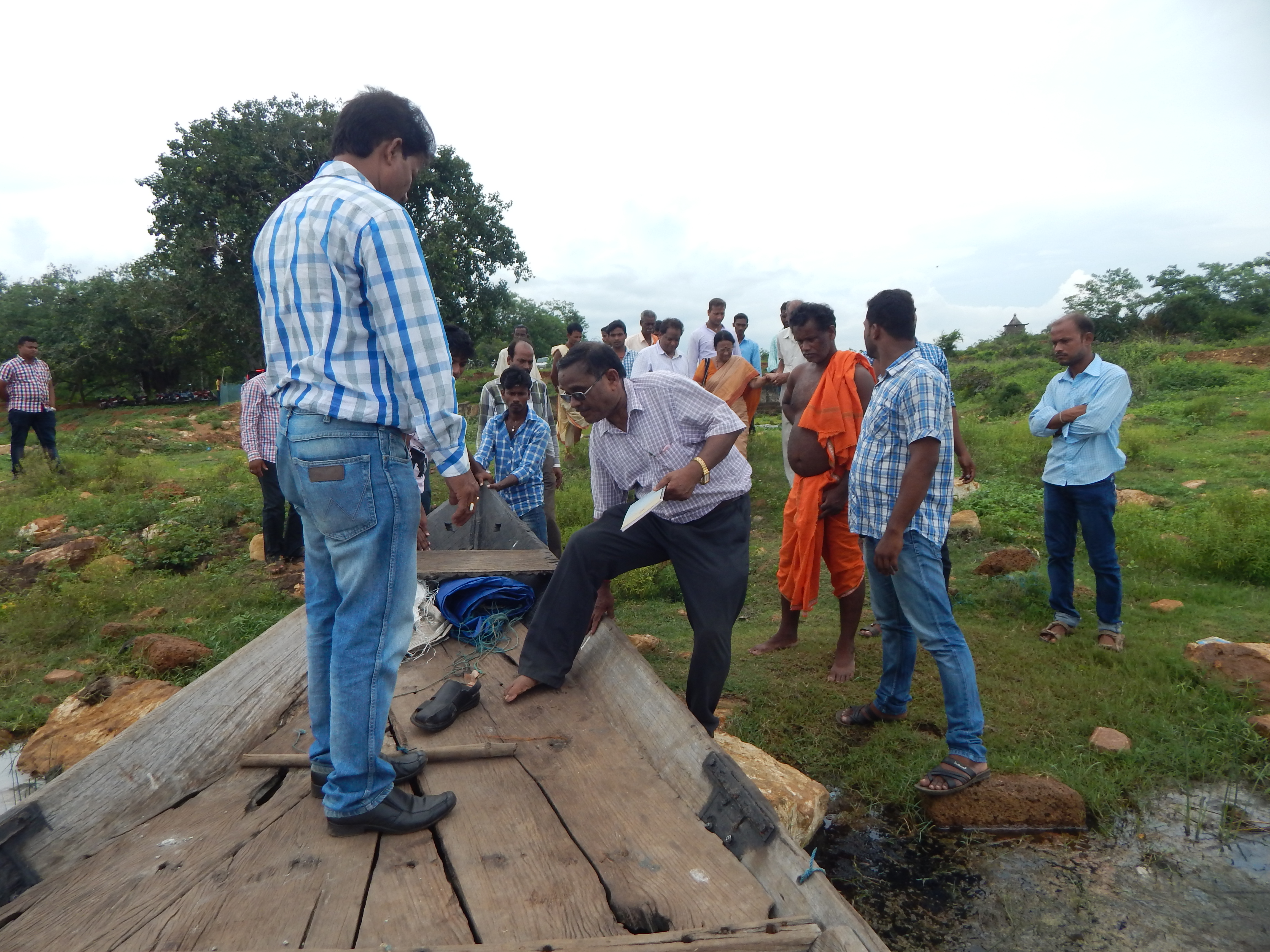 Old island jetty & approach
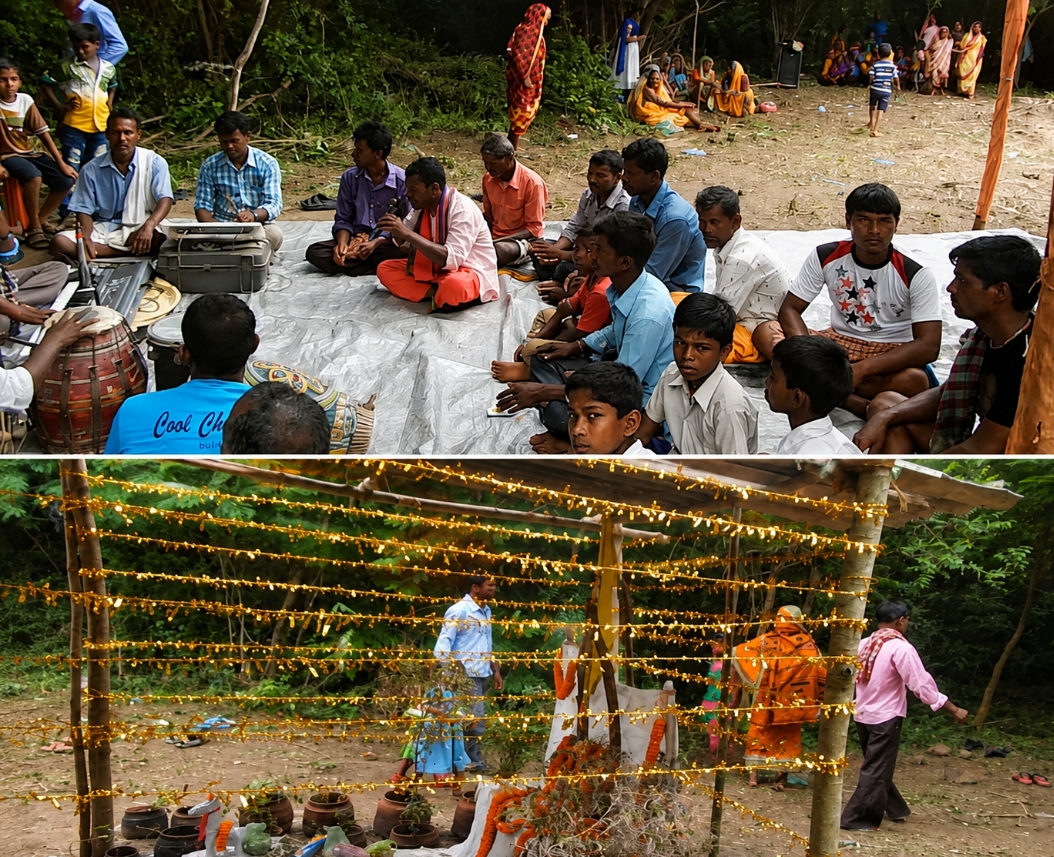 Historical shrine ruins
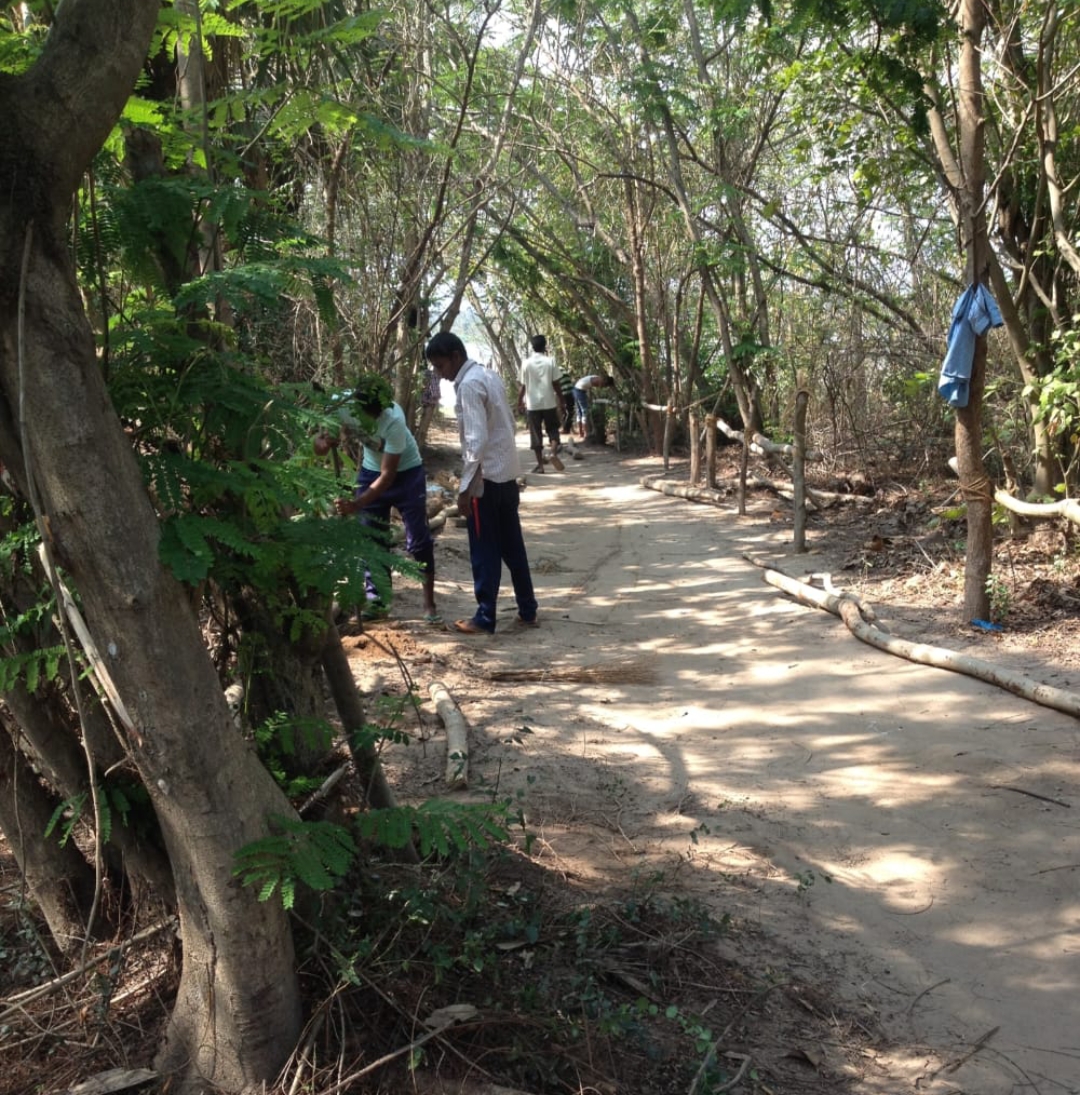 Overgrown site pathway
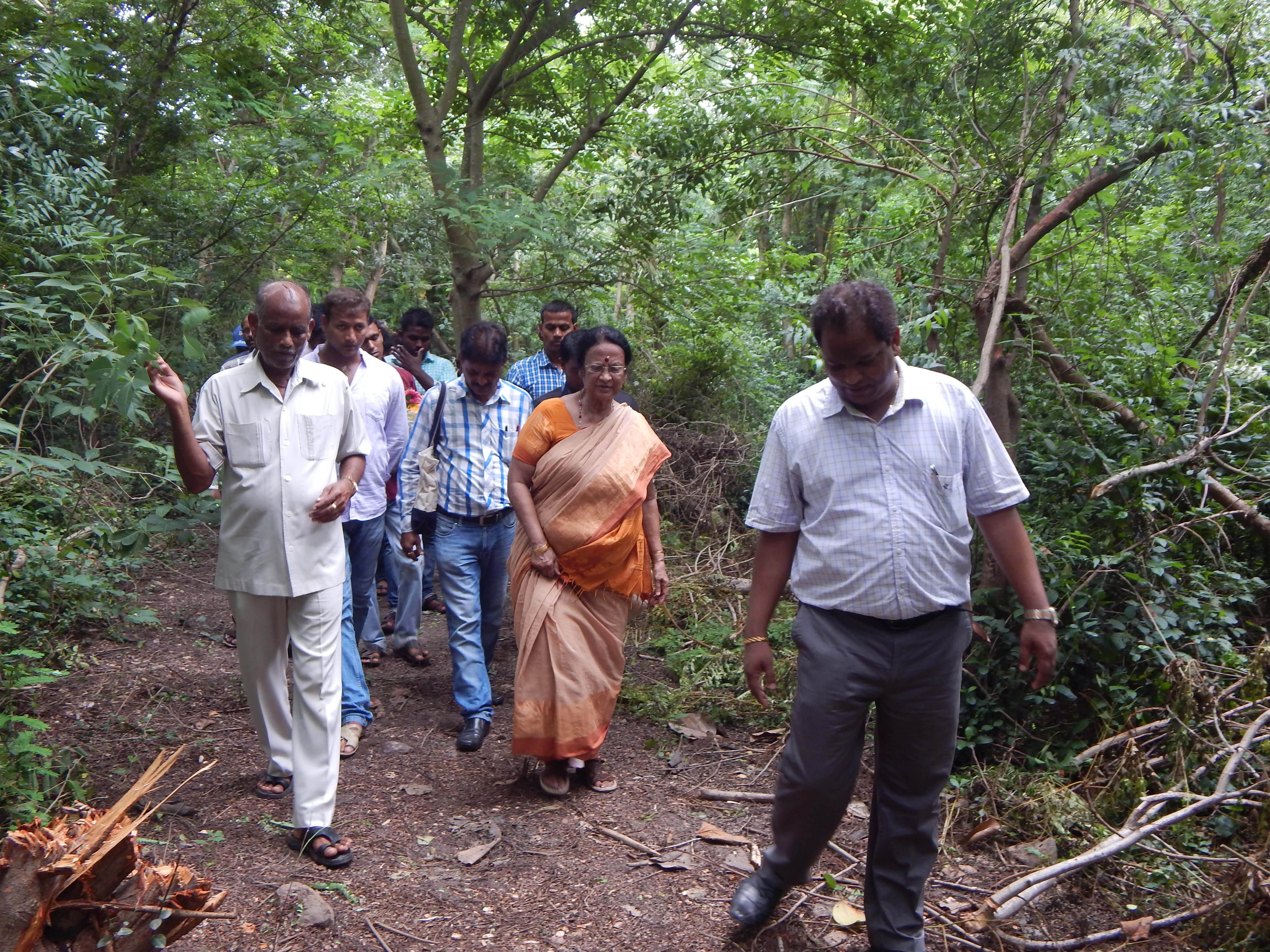 Heritage island forest terrain
Physical Clearing & Restoration Works
Community volunteers and artisans clearing brush, laying stone foundations, and building protective enclosures.
 Ground clearing & site access
 Stone masonry & step construction
 Site leveling & preservation
 Pathway protection perimeter
Restored Heritage Landscape & Living Pilgrimage
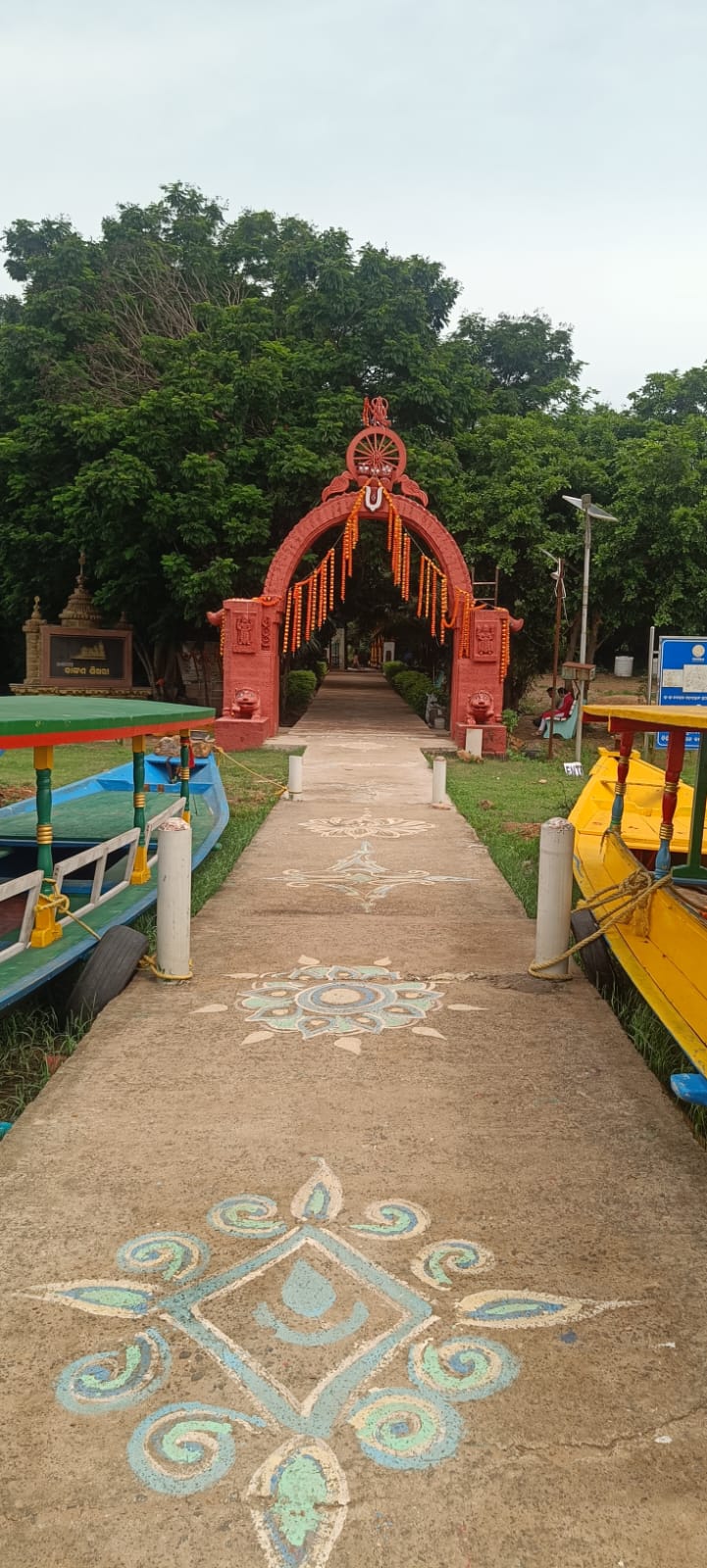
The established Smaraki monument, renovated temple gateway, and the sacred site of the annual Jala Ratha Yatra.
Kankanashikhari Smaraki Memorial
 The heritage island on the waters of Chilika
Institutional Documentation & Connections
The heritage journey of Kankanashikhari and Lord Harihareswara Temple, Nairi is connected with the wider Jagannatha heritage through institutional documentation from the Sri Jagannatha Temple Administration, Puri.
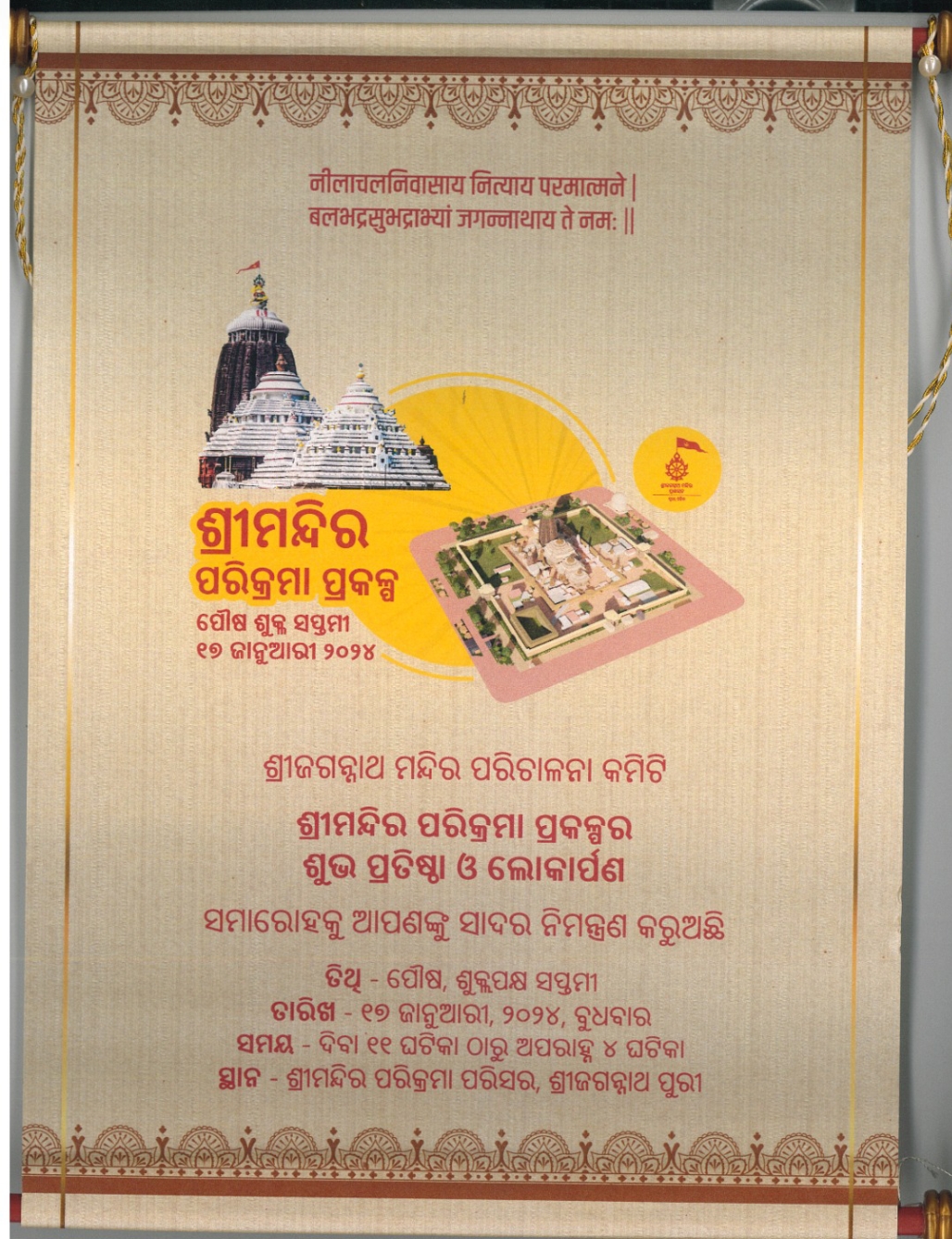
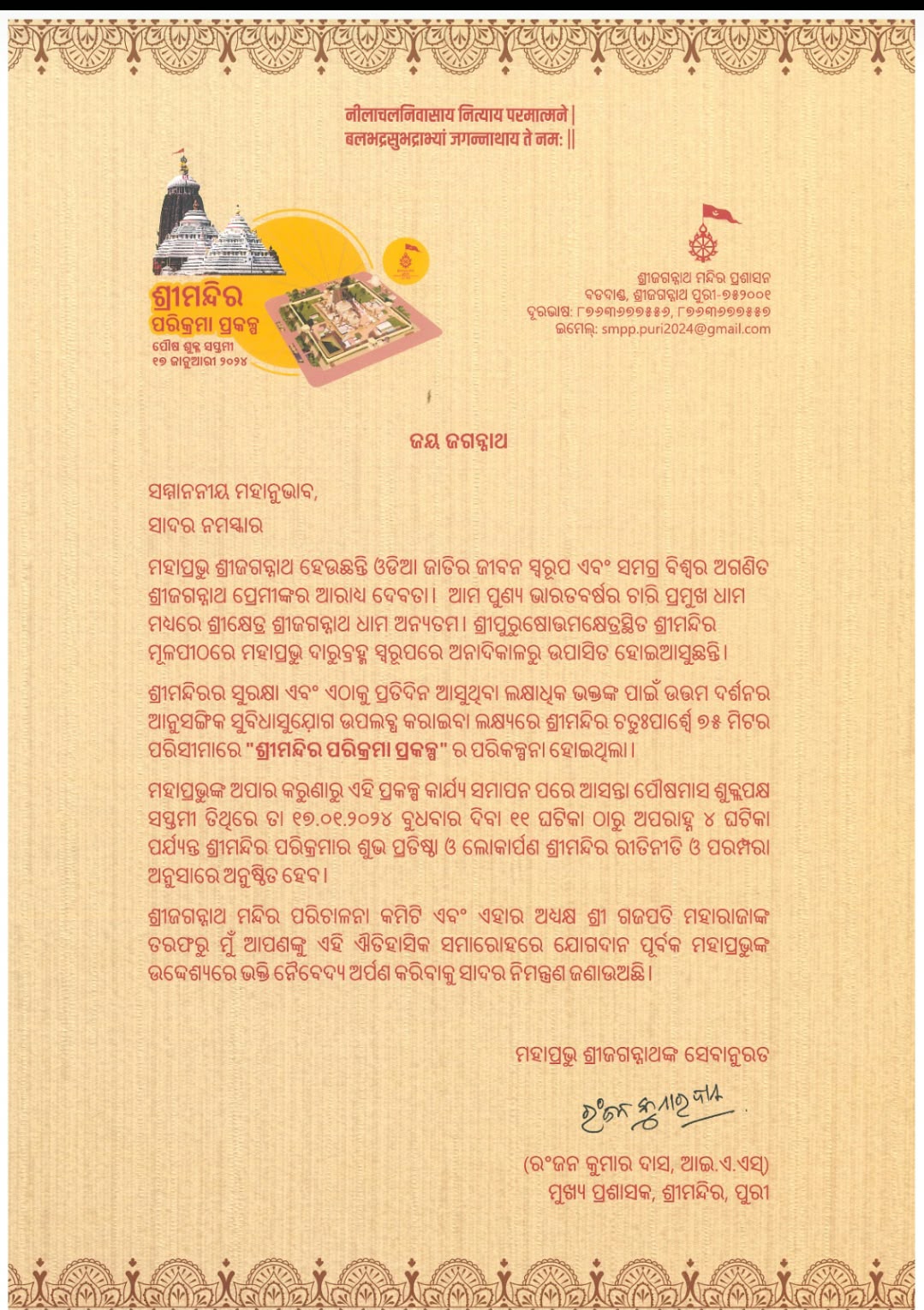
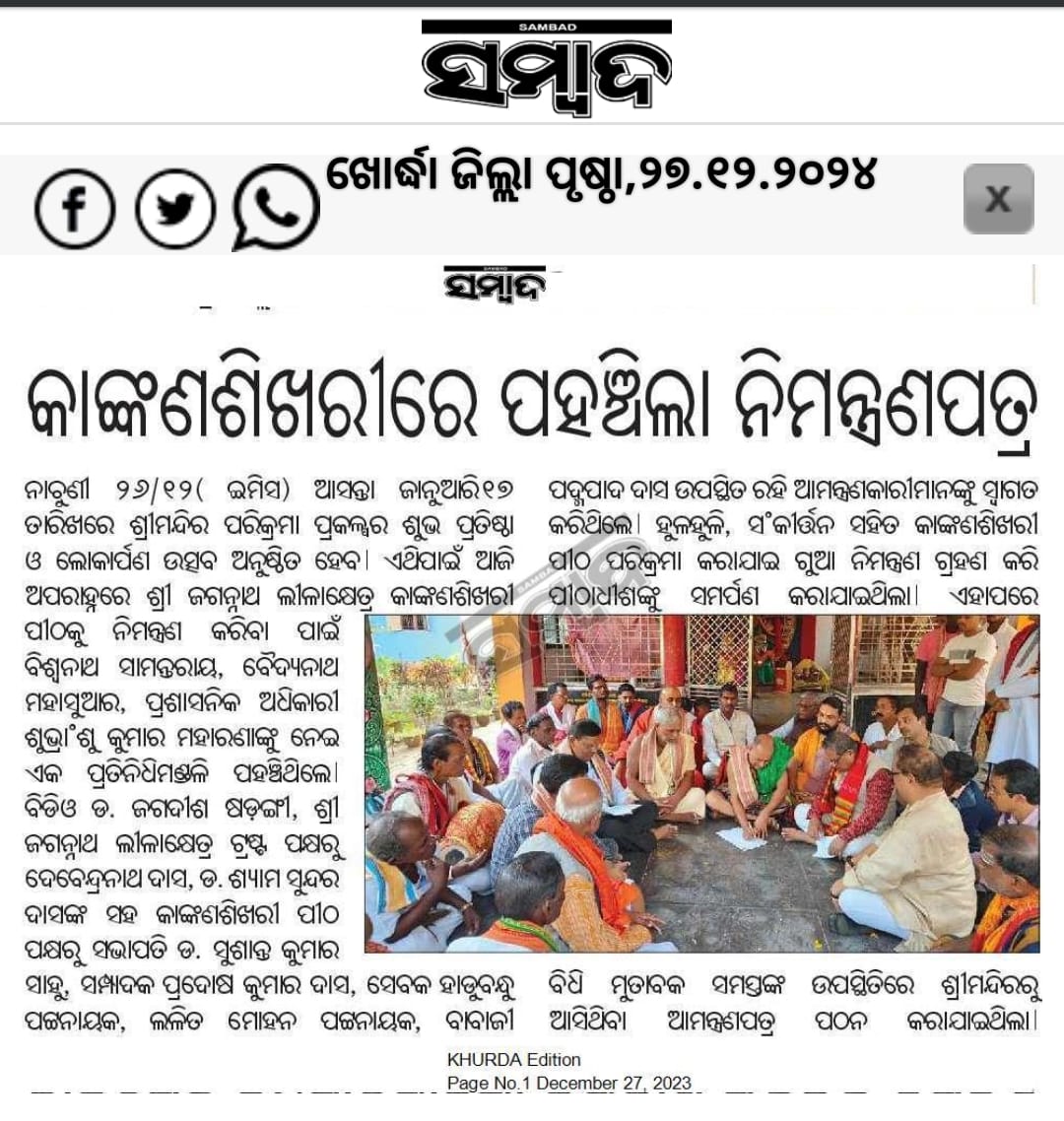
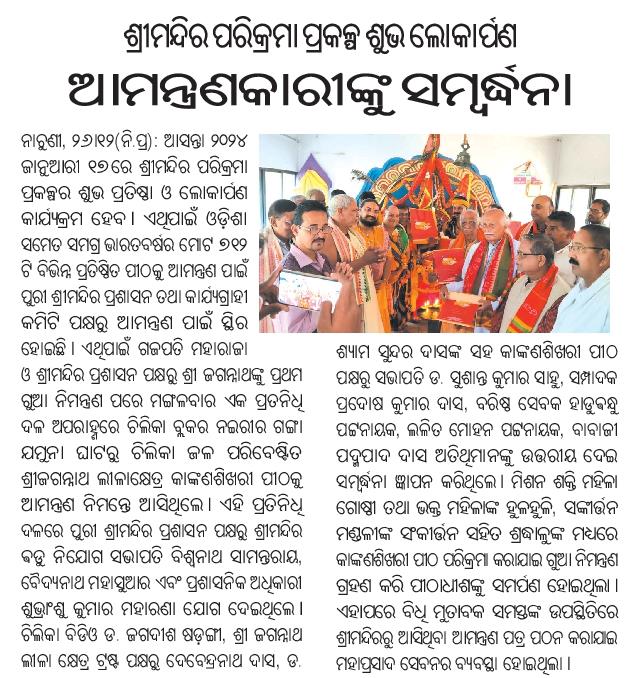
Invitation from the Sri Jagannatha Temple Administration, Puri
An invitation was extended by the Sri Jagannatha Temple Administration, Puri to witness the historic transformation of the Srimandira landscape through the Srimandira Parikrama Prakalpa.
The invitation represents a significant institutional connection between the two heritage sites and the historic transformation of the Srimandira landscape under the Srimandira Parikrama Prakalpa.
Two Heritage Sites → Research & Revival by Dr. Sahoo → Institutional Link with Sri Jagannatha Temple Administration, Puri → Invitation to Srimandira Parikrama Prakalpa
An independently produced documentary presents Nairi and the Kankanakud island in Chilika as the secret abode of Mahaprabhu, and records the island’s historical memory of the 1730s Moghul attack — the same episode documented in the official record on the Research page.
Mapping the Living Heritage of Chilika
Click on the highlighted nodes on the map below to discover how historical refuges, research centers, and 31 rural temples connect across the region.
Select a Location
Click any circular node on the map above to view the historical connection and documented activities associated with each location.