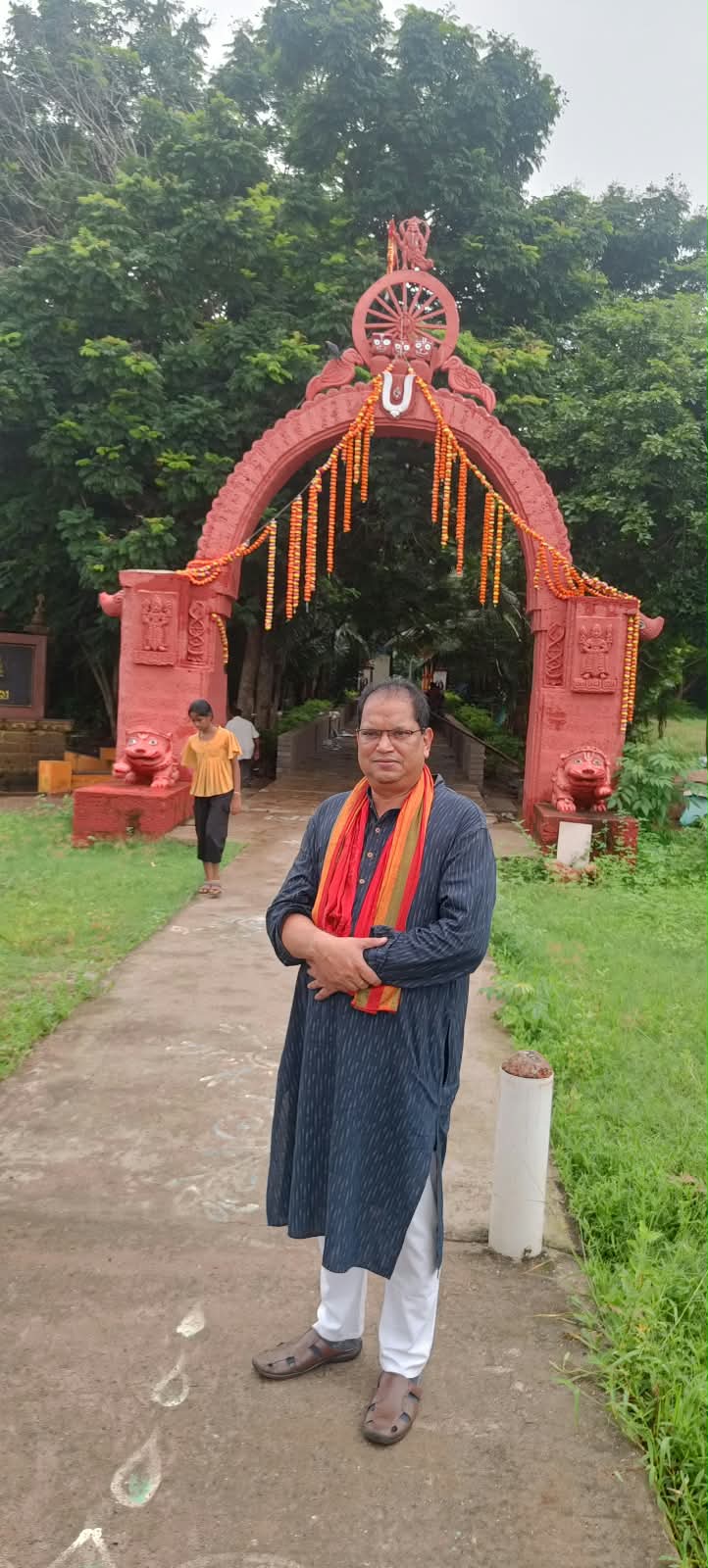
In 2025, a landmark cultural exhibition was curated at Kankanashikhari showcasing the 24 Beshas (divine costumes/adornments) of Lord Jagannatha. The complete set of 24 miniature representations was handcrafted from pure, sacred neem wood (daru), preserving the traditional wood-carving techniques of Odisha that have been practised for centuries.
The Significance of Besha
In the Jagannatha tradition, Besha refers to the various divine costumes and ornamental arrangements in which Lord Jagannatha, Lord Balabhadra, and Devi Subhadra are adorned on specific days throughout the year. Each Besha carries deep theological, seasonal, and cultural significance.
The 24 Beshas include celebrated forms such as:
- Suna Besha (Golden Adornment) — worn during Ratha Yatra return
- Raghunath Besha — depicting Lord Rama
- Kaliya Dalana Besha — depicting Lord Krishna subduing the serpent Kaliya
- Padma Besha (Lotus Adornment)
- Raja Rajeswari Besha
- And many more traditional forms documented in temple records
Preserving Artisan Traditions
This initiative serves a dual purpose. First, it provides visitors and pilgrims with a visual educational experience about the diversity and richness of Jagannatha traditions. Second, and equally important, it acts as a project in traditional craft preservation. By commissioning local artisans to create these works in neem wood, the project ensures that wood-carving skills — which are at risk of being lost to modernisation — remain alive and economically viable.
A Heritage-Craft Connection
The choice of neem wood is itself deeply symbolic. In the Jagannatha tradition, the sacred idols (Daru Brahma) are carved from neem wood during the periodic Nabakalebara ceremony. By using the same sacred material for the 24 Besha display, the exhibition maintains an unbroken connection between the living temple tradition and the cultural preservation work at Kankanashikhari.